Evidence · real fires, real bills

Two machines.£445,000.Gone.

A vending machine and a tennis ball machine. Nobody was watching either of them. And one NHS machine that caught fire twice. The second time, FirePro was fitted, and nothing was damaged.

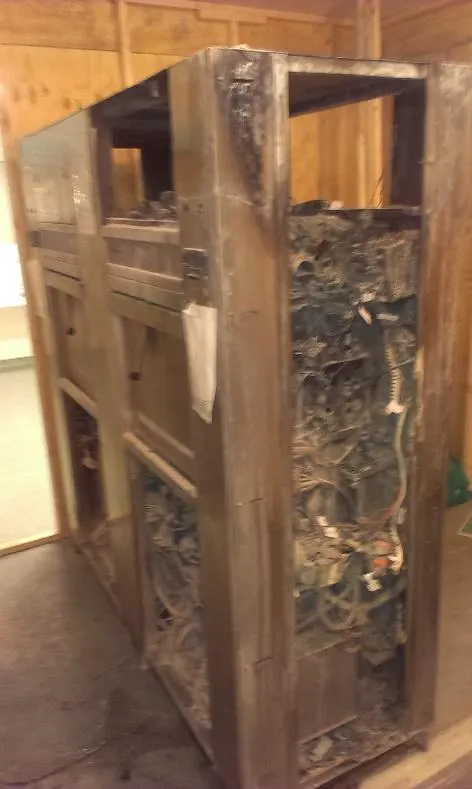
Burnt-out vending machine in a scorched entrance lobbyVending machine · electrical fault£265,000
Tennis ball machine melted by a lithium-ion battery fireLithium-ion · on charge£180,000
Under NDAHealthcare campusVending machine · electrical fault

One vending machine. £265,000.

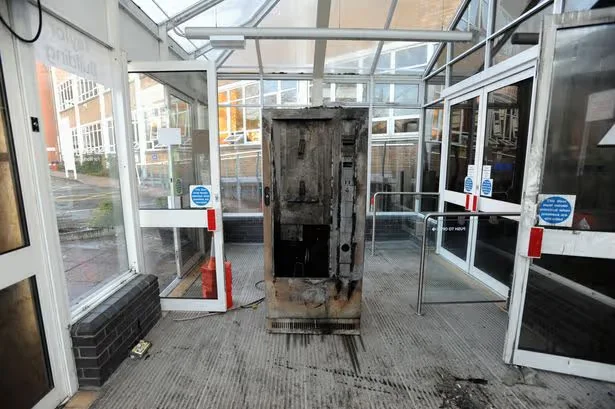
It stood in the entrance of a university hospital campus, lit up and humming, with nobody watching. Then an electrical fault developed deep inside the cabinet.

The fire took hold behind the panels where no one could see it. By the time it broke out, the machine was gutted to a blackened shell, smoke had stained the glazed entrance around it, and the damage had reached an estimated £265,000. All of it from a single unit.

Incidents like this show how quickly a fault inside a compact, unattended enclosure can escalate, and why protection needs to act automatically, at the source, before anyone even knows there’s a problem.
How it could have been avoided

  • A compact FP-20T or FP-200S generator inside the cabinet
  • Thermocable linear heat detection on an FPC-2V2 controller, which also cuts the power
Fire-gutted vending machine in a scorched hospital entrance lobby
The machine after the fire. Location withheld under NDA.
Under NDASport & leisureLithium-ion · on charge
Melted tennis ball machine bag after lithium-ion fire

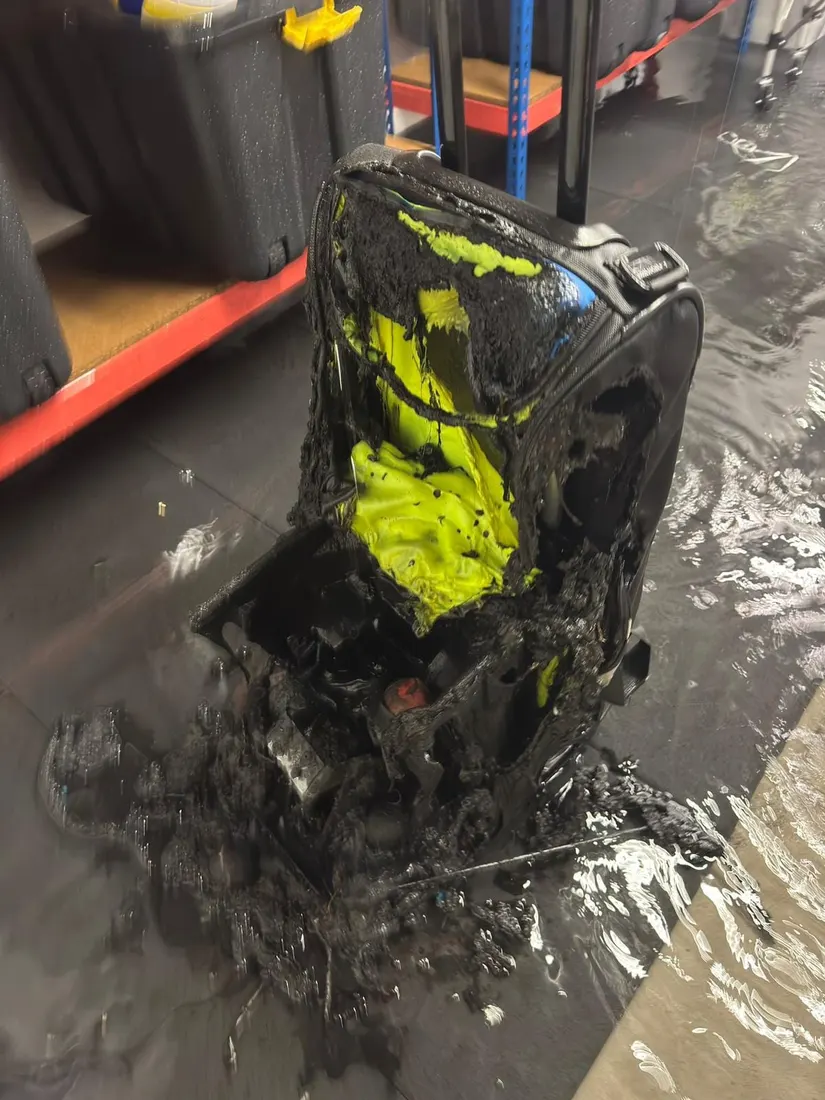
Tennis ball machine: £180,000 in damage

Tennis equipment was destroyed after its lithium-ion battery ignited while on charge, resulting in over £180,000 in damage and repair costs. Replacing the machine itself cost £1,200.

Once thermal runaway starts, a lithium-ion cell produces its own heat and toxic gas, and portable extinguishers do little to stop it.

How it could have been avoided

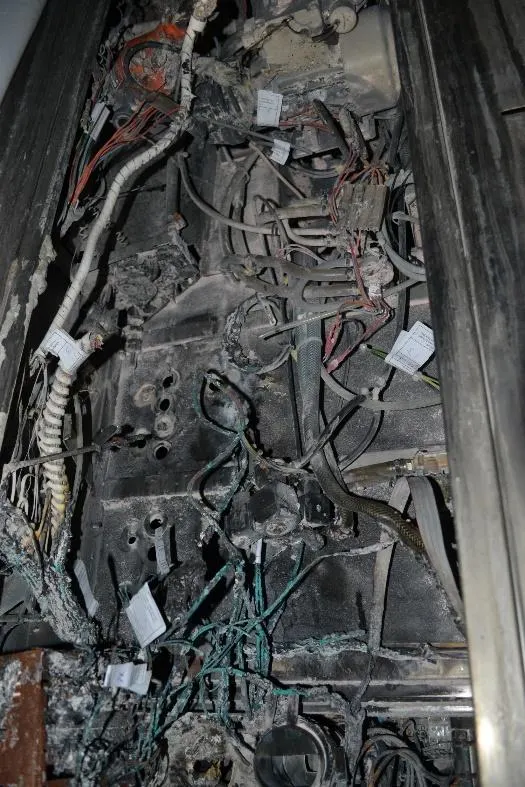
Under NDANHS · sterile servicesIn-cabinet active suppression

NHS sterilisation unit: two fires, two outcomes

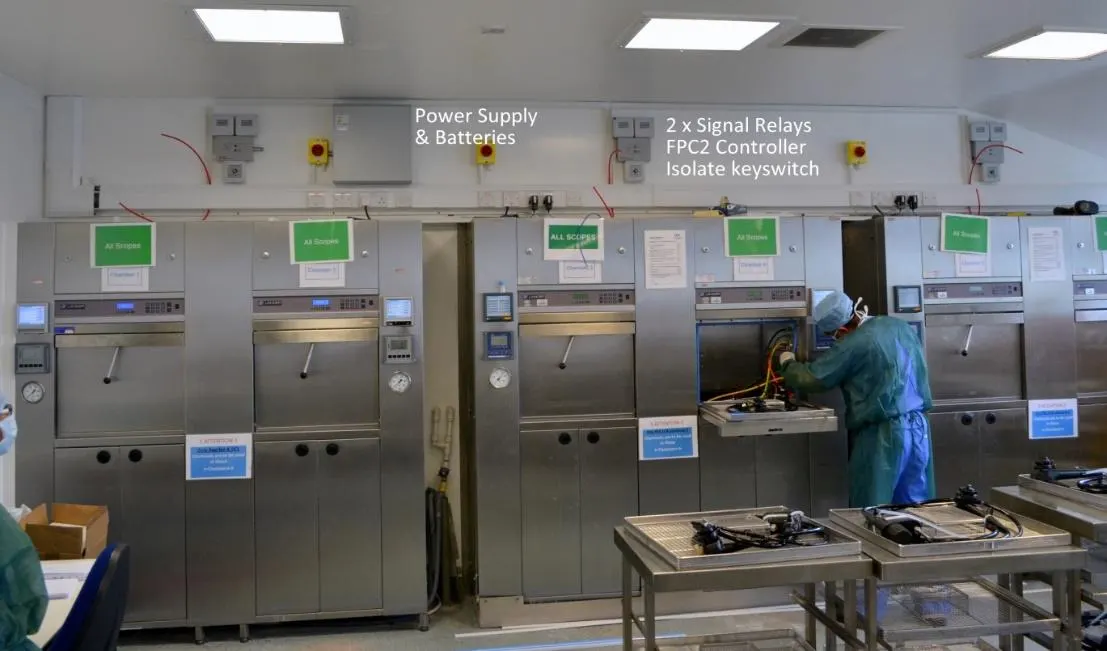
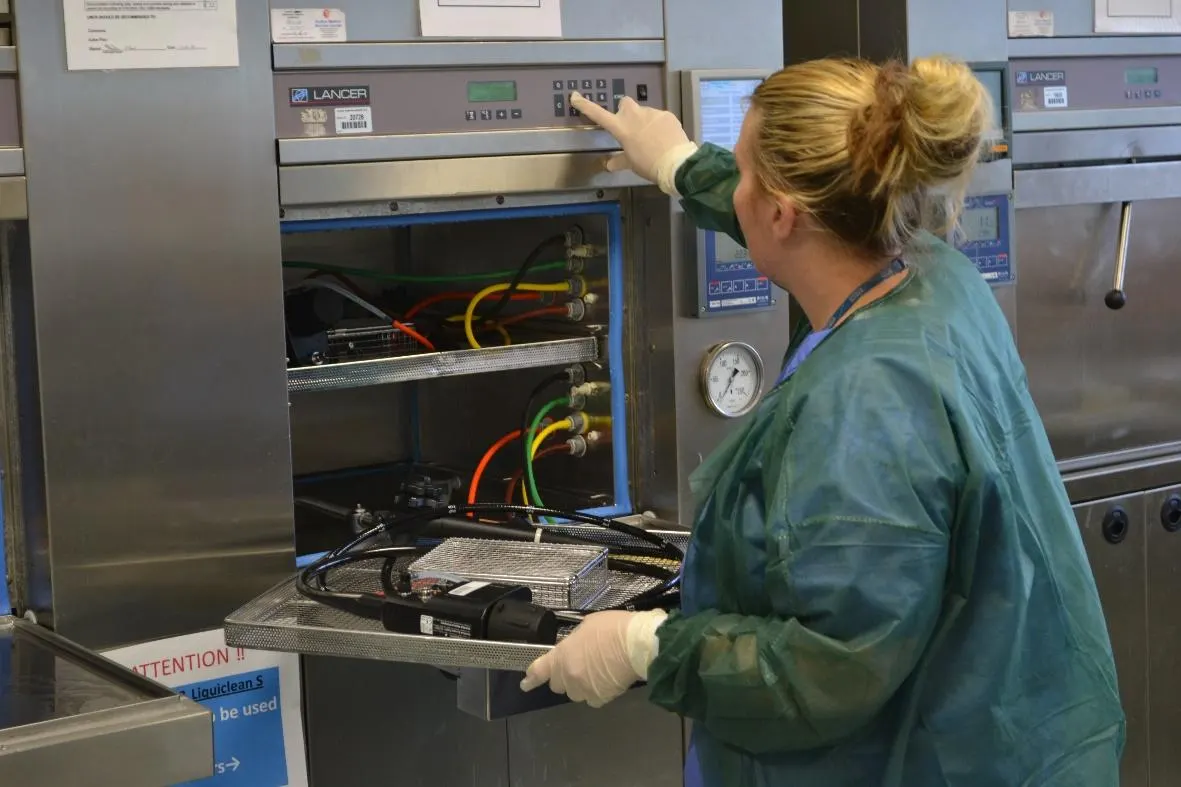
A bank of six machines on the 4th floor of an NHS hospital sterilises medical instruments at very high temperature, a service patient care depends on. A fire broke out inside one machine.

£8kinvested in FirePro
£250kestimated repeat clean-up avoided
12 minfire service arrival, with no fire left to fight
2 daysto re-arm and resume service
Sterile services technician loading a sterilisation machine
The sterilisation unit in normal operation.
Fire 1 · unprotected

Irreparable damage

  • Staff tried portable extinguishers, without success
  • The fire service put the fire out, but too late to save the machine
  • Firefighting water spread far beyond the room
  • Affected areas needed a full sterile clean and redecoration
  • Critical patient care was seriously disrupted
The FirePro solution

Engineered in-cabinet

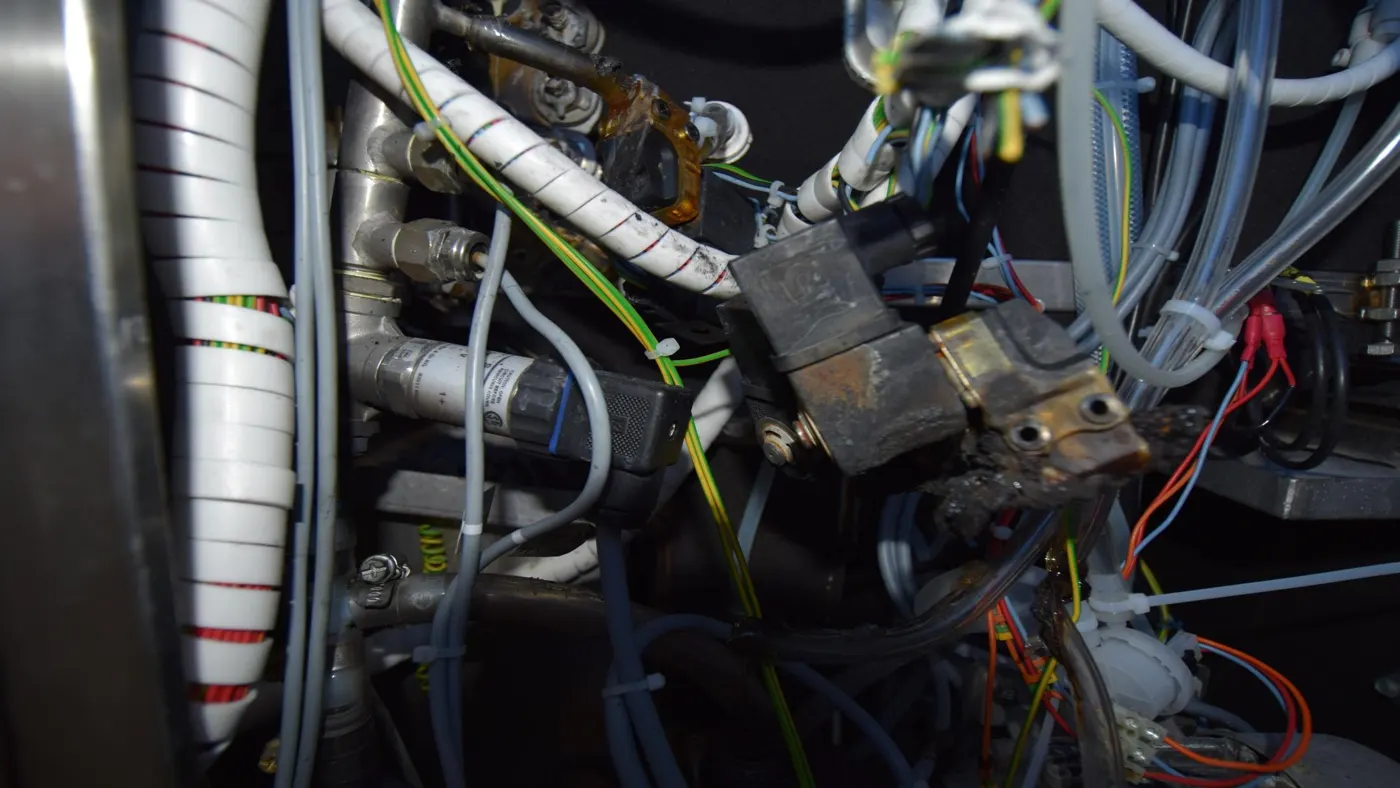
  • FirePro identified motors and solenoids as the ignition sources
  • Local FirePro control module
  • 24 V DC power supply with standby batteries
  • Linear heat detection inside the machine
  • Two FirePro condensed aerosol generators
Fire 2 · protected

No smoke. No water. No fire.

  • Suppression released inside the machine
  • Machine power supply shut off
  • Local fire doors closed and air handling stopped
  • Ventilation dampers closed
  • Fire alarm and BMS signalled
FirePro evidenceLithium-ion · power tool chargingFirePro fitted

A battery exploded. The cabinet held.

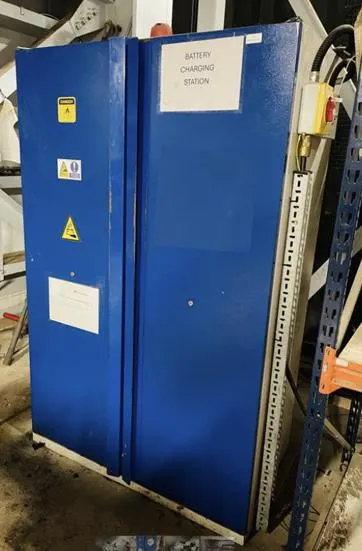
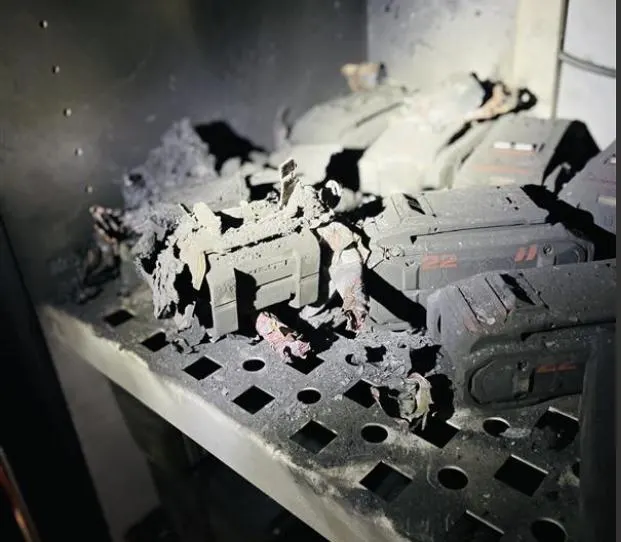
A purpose-built, fire-rated power tool battery charging cabinet had FirePro installed inside, triggered by an internal smoke detector. A lithium-ion battery inside it exploded.

The heat scorched the floor beneath the cabinet. Inside, the FirePro unit discharged, the charging supply shut off and the fire alarm and BMS were signalled. The fire did not spread to the other batteries, and the power socket at the back of the cabinet survived intact.

Blue fire-rated battery charging cabinet
The charging cabinet
Inside the cabinet: exploded power tool battery, neighbouring batteries intact
Exploded battery. No spread to the rest.

Don’t become the next case study

Book a site survey